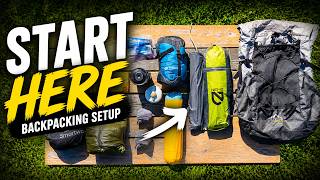
HOW TO DRESS FOR PATAGONIA 🇨🇱, by Josh & Katia on YouTube. 1 min 6 s.
- Video length
- 1 min 6 s
- Time to do it
- 10 minutes
- Difficulty
- Easy
- Steps
- 7
What you need
Steps
Start with a merino or synthetic base layer top and leggings. Skip cotton completely, because it soaks up sweat and stays cold against your skin.
Pull hiking pants and a quick-drying hiking shirt over the base layer. Avoid jeans and cotton t-shirts, which get heavy and cold when wet.
Add a lightweight fleece as your mid layer for insulation. Zip it up when you stop for a break and open it again when you start climbing.
Pack a lightweight down jacket as your warm layer. It squashes into a small stuff sack, so keep it in your daypack for cold mornings and windy summits.
Wear a waterproof and windproof shell as your outer layer. It blocks rain and wind, and you can strip it off when the weather clears.
Finish with wool socks, a beanie, gloves and sturdy hiking boots. Cover your ears and hands first, since they get cold fastest in Patagonian wind.
Adjust your layers through the day before you start to sweat. Take one off when you climb and put it back on the moment you stop moving.
Tips and common mistakes
Leave cotton at home for every layer, including socks and underwear, and choose wool or synthetic fabrics instead.
Check the forecast each morning but pack the shell anyway, because Patagonian weather can turn within hours.
Keep your down jacket dry. Wet down loses most of its warmth, so wear the waterproof shell over it in rain.
Tell someone your route and carry a map, water and a head torch, since trails and weather can catch you out.
Questions
How many layers do I need for hiking in Patagonia?
Four is the usual setup: a base layer, a fleece mid layer, a down warm layer and a waterproof shell. Add or remove them as you walk.
Can I wear cotton in cold weather?
No. Cotton holds moisture and stops insulating once it is damp, so use merino wool or synthetic fabrics for every layer.
Do I need a waterproof jacket in Patagonia?
Yes. Rain and strong wind are common in every season, and a waterproof, windproof shell is what keeps your other layers working.
This guide was drafted from the video's details and general task knowledge. It has not been checked against the full video. Check the video and relevant product instructions before following a procedure. Report a correction.