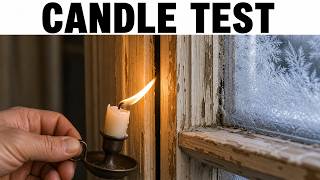
Why This CHEAP Window Trick Traps Heat All Winter Long, by Raymond Colton on YouTube. 21 min 51 s.
- Video length
- 21 min 51 s
- Time to do it
- 20 minutes
- Difficulty
- Easy
- Steps
- 8
What you need
Steps
Measure the glass area of the window, not the frame. Cut the bubble wrap about 1 cm smaller than the glass on each side so it sits inside the frame.
Clean the glass with a damp cloth and let it dry. Dust or grease stops the wrap from sticking.
Spray the glass with a light, even mist of water. You want a fine film, not puddles running down the sill.
Press the flat side of the bubble wrap against the wet glass, bubbles facing the room. Smooth it from the top down with your hand.
Push out air pockets toward the edges with a cloth or your palm. Small trapped bubbles are fine, big loose patches are not.
Check the edges are sealed against the glass. If a corner lifts, mist it again and press it back down.
Repeat on the other single-pane windows in rooms you use most, such as bedrooms and living areas.
Leave the wrap up all winter and peel it off in spring. It comes away with no glue or marks.
Tips and common mistakes
This only helps with heat loss through the glass. Drafty frames, cracked seals and gaps around the sash need caulk or weatherstripping.
Use small-bubble wrap rather than large bubbles. It sticks better and lets in more light.
Skip windows you open often or need a clear view from. The wrap is awkward to remove and refit daily.
Too much water makes the wrap slide and peel. A light mist is enough.
Questions
Will bubble wrap block all the light?
No. Clear bubble wrap lets most daylight through, though the view gets blurry. It works best on windows you rarely look out of.
Does it leave marks on the glass?
No. Water alone holds it in place, so it peels off cleanly. Wipe the glass afterward if any residue is left.
Can I use this on double-pane windows?
You can, but the benefit is small because the sealed gap already insulates. Save the effort for old single-pane glass.
This guide was drafted from the video's details and general task knowledge. It has not been checked against the full video. Check the video and relevant product instructions before following a procedure. Report a correction.