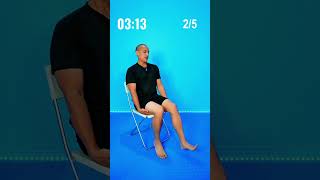
This guide shows you a simple single-leg balance drill you can do at home with a countertop and a chair behind you. It suits older adults or anyone who wants steadier standing and fewer shuffling steps. You only need a clear kitchen counter, a sturdy chair and a few minutes a day.
YouTube video: The Single Best Exercise To Improve Balance For Seniors
Caption availability is unknown. Check the CC control in the YouTube player.
Choose a chapter (9)
- Video length
- 7 min 23 s
- Time to do it
- 10 minutes
- Difficulty
- Easy
- Steps
- 7
What you need
Steps
Clear a space at a sturdy kitchen counter and put a firm chair directly behind you. The chair lets you sit down the moment your legs feel tired.
Stand facing the counter and shift your weight slowly onto one leg before you lift the other foot. Practise the shift first so it feels controlled.
Rest your fingertips lightly on the counter and lift one foot off the floor. Hold the position calmly, keeping your hips level and breathing normally.
Progress to gentle fingertip touches instead of a full rest, then try releasing your fingers for one second. Return your fingers to the counter before you wobble.
When that feels steady, take your hand away for a short unassisted hold. Keep the chair behind you and sit down if you lose control.
Use the daily 20-second routine: hold on one leg for about 20 seconds, then swap sides. Repeat daily rather than saving it for one long weekly session.
Follow the three-week progression by making the hold slightly harder each week, such as using less fingertip support. Stop the session if you feel dizzy or unsteady.
Tips and common mistakes
Keep your fingertips on the counter until you can stand on one leg without rushing.
Do the drill in bare feet or flat non-slip shoes, not socks on a slippery floor.
A sturdy chair behind you matters more than grabbing for a wall at the last second.
Daily short practice beats one long session for balance training.
Questions
How long should I hold a single-leg stand?
The routine uses daily 20-second holds. Start with a shorter hold if 20 seconds feels shaky and build up gradually.
How often should I practise this balance exercise?
Aim to do it daily. The plan focuses on repeated short practice rather than occasional heavy workouts.
When should I see a doctor about my balance?
See a doctor if you have dizziness, frequent falls, worsening balance, weakness, or trouble carrying out everyday activities.
The notes are drafted automatically from video details and general task knowledge. How the guide was prepared
Report a correction