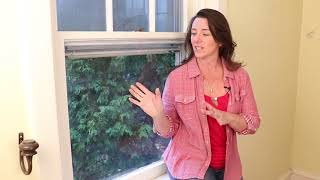
Hanging a curtain rod is a simple DIY job you can do yourself with a drill, brackets and a level. This guide suits beginners fitting curtains in a bedroom, living room or office. You need a drill, wall anchors and a helper to hold the rod while you mark the wall.
YouTube video: How to Hang Curtain Rods | The Home Depot
YouTube’s video details do not confirm captions. Check CC in the player for available tracks.
- Video length
- 1 min 22 s
- Time to do it
- 30 minutes
- Difficulty
- Easy
- Steps
- 6
What you need
Steps
Measure your window width and add 4 to 8 inches on each side so the curtains can open past the glass. Mark the rod height above the window frame with a pencil.
Hold one bracket against the wall at your mark and check it with a spirit level. Mark the screw holes through the bracket with a pencil.
Drill pilot holes at the marks. Use wall anchors if you are drilling into drywall, not into a stud.
Screw the first bracket to the wall. Repeat the measuring and marking for the bracket on the other side at the same height.
Slide the curtain rod into the brackets and check that it sits level. Tighten any screws on the brackets.
Thread the curtain rings or pockets onto the rod, then hang the curtains and check that they clear the floor.
Tips and common mistakes
Use a step ladder and keep both feet on it when drilling above your head.
Find wall studs with a stud finder for heavy curtains, since drywall anchors may not hold the weight.
Measure twice before drilling, because extra holes are hard to hide.
Questions
Can I hang a curtain rod without a drill?
Yes, tension rods press between the window frame and need no holes. They only work for light curtains and flat frames.
How high should a curtain rod go?
Mount it 4 to 8 inches above the window frame and extend it past each side so the curtains can open fully.
What if there is no stud where I want the bracket?
Use wall anchors rated for the weight of your rod and curtains, or move the bracket to the nearest stud.
The notes are drafted automatically from video details and general task knowledge. How the guide was prepared
Report a correction