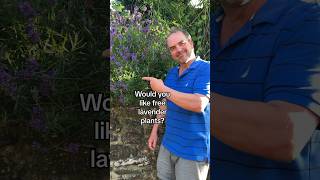
How to grow LAVENDER Cuttings!, by Expedition Homestead on YouTube. 4 min 55 s.
- Video length
- 4 min 55 s
- Time to do it
- 20 minutes
- Difficulty
- Easy
- Steps
- 8
What you need
Steps
Choose a healthy lavender plant and take cuttings in late spring or early summer. Pick shoots that are not flowering.
Cut a 10 to 15 cm stem just below a leaf node with clean sharp snips. Make the cut straight and avoid crushing the stem.
Strip leaves from the bottom 5 cm of each cutting. Leave a few leaves at the top and keep the stem's growing tip.
For water rooting, place cuttings in a jar with 5 cm of fresh water. Change water every few days and keep the jar in bright, indirect light.
For soil rooting, fill small pots with a mix of half potting soil and half perlite or grit. Push each cutting 3 to 5 cm into the mix.
Water the pots gently and let them drain. Cover with a clear plastic bag or dome to keep humidity high, with a small gap for air.
Keep soil barely moist and out of strong afternoon sun. Check for roots after 3 to 6 weeks by gently tugging or looking for white roots.
Once roots are 3 to 5 cm long, move cuttings to individual pots. Harden them off before planting out.
Tips and common mistakes
Take more cuttings than you need because not every stem will root.
Do not use flowering stems or very soft tips, as they often rot before rooting.
Keep the soil mix moist but not soggy, since lavender hates wet roots.
Use clean snips and wash jars to reduce rot and disease.
Questions
How long do lavender cuttings take to root?
Usually 3 to 6 weeks in warm conditions. Check gently after 3 weeks and avoid pulling the cutting out.
Can I root lavender cuttings in water?
Yes. Stand the stripped stem ends in about 5 cm of water and change it every few days. Move them to soil once roots are a few centimetres long.
When is the best time to take lavender cuttings?
Late spring to early summer, when plants are growing but not in full flower. Softwood shoots root faster than old woody stems.
This guide was drafted from the video's details and general task knowledge. It has not been checked against the full video. Check the video and relevant product instructions before following a procedure. Report a correction.