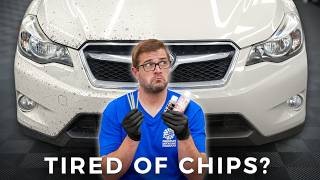
You will sand, clean and spray a scraped bumper or panel so the damage blends in and looks fresh again, all in your own garage. It suits drivers with deep curb rash or scratches who do not want a body shop bill. You need the exact factory paint code for your car and a calm, dry day to spray.
YouTube video: Is This the Easiest Way to Fix Car Scratches?
Caption availability is unknown. Check the CC control in the YouTube player.
Choose a chapter (11)
- Video length
- 5 min 47 s
- Time to do it
- 2 hours plus drying time
- Difficulty
- Medium
- Steps
- 10
What you need
Steps
Look closely at the scratch. If your fingernail catches in it, the paint is broken through and needs filling and spraying. Light surface marks may only need polish.
Sand the damaged area smooth with 400 to 600 grit paper, or an orbital hand sander on low speed. Keep the pad flat so you do not gouge the plastic.
Wipe off all wax, grease and road grime with a wax and tar remover and blue shop towels. Paint will not stick to a waxy surface.
Go over the whole area with a tack cloth to lift the last dust. Do not touch the panel with bare hands after this.
Mask the surrounding panels and cover the tires with painter's tape and paper. Leave only the repair area exposed.
Find your car's paint code on the sticker inside the door jamb, then buy aerosol paint mixed to that exact code.
Check the instructions for your exact model before choosing this setting or amount. Use light sweeping passes, not one heavy blast.
Pick a dry day around 60 to 80 F with low humidity, and spray outdoors or in a well ventilated garage. Wear your mask and gloves.
Let the first coat flash off as the can directs, then apply a second thin coat. Two or three light coats beat one wet, drippy one.
Pull the tape while the paint is still slightly soft, then step back and check the blend. Add clear coat over the repair if the finish looks flat.
Tips and common mistakes
Spray light coats and let each one dry, or you will get runs and drips that are hard to fix.
Cold or humid weather dulls the finish and slows drying, so wait for a warm, dry day.
Keep the can moving and start spraying before you reach the repair, so the first spurt does not land on the panel.
Clean the spray nozzle after each coat so it does not clog halfway through the job.
Questions
Can I spray over the scratch without sanding?
No. Paint needs a scuffed, clean surface to grip, and the raised edges of a deep scratch will still show through. Sand and clean first.
How long before I can wash the car?
Give the paint several days to harden fully before washing or waxing. Check the drying time on your paint can and add extra time in cool weather.
Do I need clear coat too?
Clear coat adds gloss and protects the colour, so use it on top of metallic and modern finishes. Some single-stage paints do not need it.
The notes are drafted automatically from video details and general task knowledge. How the guide was prepared
Report a correction