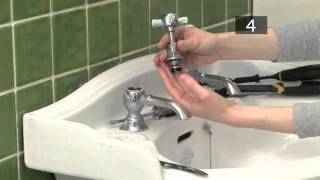
Work out where the water is coming from, then fix the usual culprits: a worn flapper, a badly set fill valve, a loose tank bolt or a leaking supply connection. It suits any beginner with a screwdriver and a sponge. Shut off the water supply before you start.
YouTube video: Professional guide to troubleshooting and fixing common toilet tank issues.
Caption availability is unknown. Check the CC control in the YouTube player.
- Video length
- 1 min 29 s
- Time to do it
- 30 minutes
- Difficulty
- Easy
- Steps
- 9
What you need
Steps
Close the isolation valve on the pipe below the cistern, or the main stopcock. Flush the toilet to empty the tank, then sponge out the last of the water.
Dry the outside of the cistern with a towel and watch where drips appear. Water under the tank points to the bolts or gasket, water at the side to the supply nut.
Run a flapper test. Drop food colouring into the tank water, wait 15 minutes without flushing, and look in the bowl. Coloured water means the flapper seal is failing.
Unhook the chain and lift out the old flapper. Take it to the shop to match the size, then fit the new one on the pegs and reattach the chain with a little slack.
Set the fill level. Turn the adjustment screw or slide the float so the water stops about 25 mm below the top of the overflow tube.
If water still trickles into the bowl, clean scale off the valve seat with a cloth or replace the whole fill valve using a matching unit.
For leaks between tank and bowl, tighten the tank bolts evenly, a quarter turn at a time. Fit new rubber washers if the old ones are cracked or flattened.
For a wet supply connection, tighten the nut a half turn with a wrench. If it still seeps, fit a new rubber or fibre washer inside the nut.
Turn the water back on and let the tank refill. Flush three or four times, then wipe every joint dry with tissue and check again after an hour.
Tips and common mistakes
Never overtighten tank bolts or plastic nuts, because porcelain and plastic crack easily and a hairline crack means a new cistern.
Buy a full cistern repair kit with a flapper, washers and a fill valve so you have the right part on hand.
Hard water scale stops flappers sealing, so scrub the valve seat even when the flapper looks fine.
If the floor around the base stays wet after these checks, the wax seal or pan connector may be the real source.
Questions
Why does my toilet keep running after a flush?
Usually the flapper is not sealing or the fill level is set too high, so water spills into the overflow tube. Do the food colouring test first, then adjust the float or replace the flapper.
How do I know if the leak is the flapper or the fill valve?
If coloured water appears in the bowl without flushing, it is the flapper or its seat. If water runs constantly and the level sits at the overflow tube, adjust or replace the fill valve.
Can I fix a leaking cistern without turning the water off?
No. Always close the isolation valve or stopcock and empty the tank first, or you will flood the bathroom as soon as you loosen a nut.
The notes are drafted automatically from video details and general task knowledge. How the guide was prepared
Report a correction