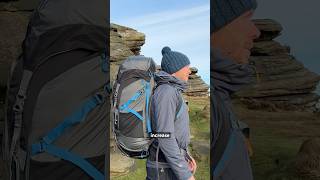
You can work out the basic compass points using the sun, shadows and a few simple observations. This guide suits hikers, walkers and anyone who wants a backup way to orient themselves outdoors. It works best on a sunny day, so you also need a fallback plan for cloudy weather.
YouTube video: How to navigate without a compass
Caption availability is unknown. Check the CC control in the YouTube player.
- Video length
- 6 min 50 s
- Time to do it
- 10 minutes
- Difficulty
- Easy
- Steps
- 8
What you need
Steps
Find a flat, open spot where the sun casts a clear shadow. Push the stick upright into the ground so it stands straight.
Mark the tip of the stick's shadow with a small stone. Wait 15 to 20 minutes.
Mark the new shadow tip with a second stone. The shadow moves from west to east as the sun crosses the sky.
Draw a line between the two stones. This line runs roughly east to west, with the first mark on the west side.
Stand on the line with the first stone on your left. You are now facing roughly north.
Check the time of day to confirm. In the morning the sun is in the east, so shadows point west. At midday in the northern hemisphere the sun is due south.
Use your north line to set your map or match it to a path, road or river you can see.
If the sun is hidden, look for other clues. Trees and rocks often have more moss on the shaded, damper side, and the sun rises in the east and sets in the west.
Tips and common mistakes
The shadow method is most accurate around midday, so avoid relying on very short or very long shadows.
Never look directly at the sun, even briefly, as it can damage your eyes.
Mark your north line on the ground or in your notes so you do not lose it when you move.
Cloudy weather makes this method unreliable, so carry a compass as a backup on any serious hike.
Questions
Does the shadow method work in the southern hemisphere?
Yes, but the direction flips. In the southern hemisphere the sun is in the north at midday, so shadows point south and your north line is the opposite end.
How accurate is finding north this way?
It gives a rough direction, usually within about 10 to 15 degrees. That is enough to orient a map or pick a general heading, but not for precise navigation.
What if there is no sun?
Use natural clues like moss, tree growth and the direction of the sunrise and sunset. A phone compass app or a real compass is far more reliable in poor weather.
The notes are drafted automatically from video details and general task knowledge. How the guide was prepared
Report a correction