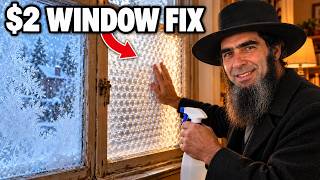
The 8 Places Your House Leaks Air, Ranked by the DOE — Windows Come Sixth, by The Invisible Fix on YouTube. 16 min 11 s.
- Video length
- 16 min 11 s
- Time to do it
- 3 to 4 hours
- Difficulty
- Medium
- Steps
- 10
What you need
Steps
Work from the top down. Seal the attic first: the hatch, recessed light cans, and the seams where the ceiling meets the walls. Air escaping up there pulls cold air in below.
Hold a lit incense stick near a suspected gap on a windy day. Watch the smoke. If it flutters or gets pulled away, you have found a leak, so mark it with tape.
Weatherstrip the attic hatch or door and fit a latch that pulls it tight against the frame. Glue rigid foam board to the back of the hatch panel.
Fill the gaps where pipes and wires pass through the top and bottom plates. Use caulk for gaps under a quarter inch and expanding foam for larger ones.
In the basement, seal the rim joist with cut foam board and canned foam, then caulk the sill plate. This is the second biggest hiding place after the attic.
Seal duct joints with mastic or foil tape. ENERGY STAR says 20 to 30 percent of the air moving through ducts is lost to leaks in typical homes.
Close the fireplace damper whenever there is no fire. Add glass doors or a chimney balloon if the flue is rarely used, since an open fireplace can pull 24,000 cubic feet of air an hour.
Weatherstrip exterior doors and fit a sweep at the bottom. Adjust the strike plate so the door closes snugly against the new seal.
Fit foam gaskets behind the cover plates of switches and outlets on outside walls, then screw the covers back on.
Do the windows last. Caulk the frames, weatherstrip the moving parts, and add shrink film to single panes. Windows are only about 10 percent of the leak.
Tips and common mistakes
Seal the top of the house before the bottom, or air will keep escaping through the attic no matter what you do below.
Never block the air supply to a furnace, water heater or boiler. Check for backdrafting after sealing, and call a technician if you are unsure.
Caulking and weatherstripping usually pay for themselves within a year in energy savings, according to a Department of Energy fact sheet.
Test on a windy day. Still air hides most leaks and you will seal the wrong spots.
Questions
Where does a house leak the most air?
A Department of Energy chart puts floors, walls and ceilings at 31 percent, ducts at 15 percent, the fireplace at 14 percent, plumbing penetrations at 13 percent, doors at 11 percent, windows at 10 percent, fans and vents at 4 percent and outlets at 2 percent.
Should I seal my windows first?
No. Windows are near the bottom of the list at about 10 percent. Seal the attic and basement first, because sealing the bottom while the top stays open still lets air escape.
How do I find a leak without special tools?
A lit incense stick works well. Move it slowly along seams, frames and penetrations and watch the smoke for any flutter or pull.
This guide was drafted from the video's details and general task knowledge. It has not been checked against the full video. Check the video and relevant product instructions before following a procedure. Report a correction.