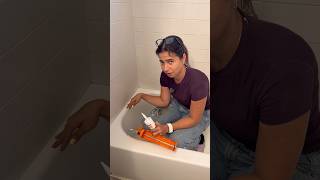
How to fill gaps around the window? DIY, by Penosil Official on YouTube. 2 min 25 s.
- Video length
- 2 min 25 s
- Time to do it
- 30 minutes
- Difficulty
- Easy
- Steps
- 8
What you need
Steps
Clean the gap around the window frame. Pull out loose old sealant, dust and dirt, then wipe the surfaces with a damp cloth and let them dry completely.
Stick masking tape along both sides of the joint if you plan to paint. This keeps the sealant off the frame and the wall.
Cut the threaded end of the cartridge with a utility knife to open it. Screw on the nozzle, then cut its tip at an angle to roughly the width of the gap.
Drop the cartridge into the caulking gun and press the trigger a few times until acrylic comes out of the nozzle.
Hold the nozzle at a steady angle against the joint. Press the trigger evenly and drag the gun smoothly along the gap in one continuous pass.
Fill the joint fully, pushing the sealant into the gap. Slight overfilling is better than leaving hollow spots or air pockets.
Smooth the bead with a rubber scraper in one steady stroke. Wipe the scraper clean between passes so the sealant stays neat.
Peel off the masking tape and remove excess acrylic before it skins over. Then let the sealant cure for the time stated on the cartridge.
Tips and common mistakes
Do not cut the nozzle too wide, or you will struggle to push sealant into narrow gaps.
Keep the gun moving while you press the trigger, otherwise the bead bunches up.
Work in dry weather and avoid sealing in direct sun or near freezing temperatures.
For joints that will be painted, use an over-paintable acrylic or painters' silicone so the paint sticks.
Questions
How long before I can paint over the sealant?
Most acrylic sealants skin over in about 20 to 30 minutes but need several hours to cure fully. Check the cartridge label, and use paint that is compatible with acrylic.
Can I use acrylic sealant outside around windows?
Yes, acrylic works on exterior frames, but it is less flexible than silicone. For joints that move a lot or stay wet, choose an exterior-grade paintable silicone instead.
What if the gap is wider than the sealant can fill?
Push a foam backer rod into deep or wide gaps first. Then seal over it with acrylic so the bead has something to sit against and does not sag.
This guide was drafted from the video's details and general task knowledge. It has not been checked against the full video. Check the video and relevant product instructions before following a procedure. Report a correction.