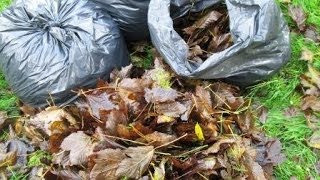
You will fill a raised bed with free garden waste and a small amount of bought soil, so you spend far less than filling the whole box with bagged compost. It suits new beds on an allotment or back garden. You need a bed with a solid base layer and a supply of logs, leaves and cardboard.
YouTube video: People Are STILL Making These Raised Garden Bed Mistakes
YouTube’s video details do not confirm captions. Check CC in the player for available tracks.
- Video length
- 23 min 24 s
- Time to do it
- 2 hours
- Difficulty
- Easy
- Steps
- 7
What you need
Steps
Measure the inside length, width and depth of the bed and multiply them to get the volume. That tells you how much material to gather before you start.
Line the bottom with cardboard, removing tape and staples first. Overlap the sheets and soak them with water so they sit flat and block weeds below.
Fill roughly the bottom third with rotting logs, branches and twigs. This bulky wood is usually free and breaks down slowly to feed the bed.
Add a middle layer of garden waste such as grass clippings, leaves, straw or old compost. Tread each layer down as you go.
Top off the last 15 to 20 cm with a mix of about half topsoil and half compost. This is the layer your seeds and roots actually grow in.
Water the bed deeply and let it settle for a few weeks. Top it up again with compost as the lower layers sink.
Plant straight away with hungry crops like courgettes or beans, or wait a season for the wood to start rotting down.
Tips and common mistakes
Do not fill the whole bed with bought compost, as the cost adds up fast and the lower layers add little for roots.
Skip fresh manure in a new bed, because it can burn young roots.
Hold off on rhubarb and other perennials until the bed has settled, or the crowns will sink.
Wear gloves and bend your knees when lifting logs into the frame.
Questions
Will the soil level drop after filling?
Yes. Loose wood and garden waste settle a lot in the first few months, so fill slightly high and keep a bag of compost handy for topping up.
What wood should I avoid?
Avoid treated timber, painted wood and anything from diseased trees. Soft woods rot fastest and feed the bed soonest.
Can I plant straight after filling?
You can, but keep the top layer deep enough that roots sit in soil rather than raw wood. Leafy crops and squash cope best in the first year.
The notes are drafted automatically from video details and general task knowledge. How the guide was prepared
Report a correction