You will fill a large raised bed or galvanized stock tank without buying bags of soil for the whole depth. Empty pots, branches, leaves and scraps take up the bottom space, and only the top layer needs good compost and soil. It suits anyone growing tomatoes, peppers, squash or greens on a budget.
YouTube video: Beginner Raised Bed Garden SAVE $ Fill CHEAP Growing Tomatoes and Vegetables by Layering Flower Pots
YouTube’s video details do not confirm captions. Check CC in the player for available tracks.
- Video length
- 13 min 45 s
- Time to do it
- 2 hours
- Difficulty
- Easy
- Steps
- 9
What you need
Steps
Put the bed or stock tank in its final spot on level ground. Drill or check drainage holes in the base first, then lay a sheet of cardboard over grass or bare soil underneath.
Stand empty plastic flower pots upside down across the bottom, packed fairly close together. They take up volume so you buy far less soil.
Cover the pots with a layer of logs, thick branches and twigs about 15 cm deep. This rots down slowly and holds moisture through dry spells.
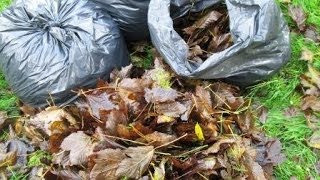
Add a second layer of thinner material: leaves, grass clippings, plant trimmings and kitchen scraps. Keep it to roughly 15 cm and spread it flat.
Water each layer as you go until it is damp but not soaking. Tread it down lightly so there are no big air pockets left.
Spread 10 to 15 cm of compost or aged manure over the coarse material. This is the layer roots will feed from.
Top up with 15 to 20 cm of good topsoil or potting mix. Stop about 5 cm below the rim so water and mulch stay in the bed.
Water the finished bed deeply and leave it to settle for a week. Expect the level to drop and keep a bag of soil aside to top it up.
Plant tomatoes, peppers, eggplants, squash, cucumbers or corn into the top soil layer. Space them at the distance on the seed packet.
Tips and common mistakes
Keep woody material well below the top layer so it does not steal nitrogen from young roots.
Avoid glossy printed cardboard, treated timber offcuts or anything painted, since these leach into your soil.
Burying pots is fine, but do not block the bed's drainage holes or water will sit and rot roots.
Fill the bed in autumn if you can, so the layers settle and break down before spring planting.
Questions
Can I plant straight after filling the bed?
Yes, if the top 20 cm is proper compost and soil. Water well first, then plant and keep the bed damp for the first two weeks.
Will the buried flower pots cause problems later?
No. They simply take up space and slowly fill with roots and soil. You can also leave them out and use more branches instead.
How much soil does this save?
It cuts the soil you need to roughly the top third of the bed. The rest is free garden waste and empty pots.
The notes are drafted automatically from video details and general task knowledge. How the guide was prepared
Report a correction