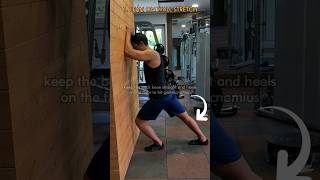
How to build a strong tibialis anterior to run without shin splints, by Zaid Abed on YouTube. 1 min 3 s.
- Video length
- 1 min 3 s
- Time to do it
- 10 minutes
- Difficulty
- Easy
- Steps
- 8
What you need
Steps
Warm up with 20 bodyweight toe raises on each foot. Stand tall, keep your heels flat on the floor and pull your toes up toward your shin, then lower them slowly.
Sit on a bench or chair with your heel on the floor and your foot in front of you. Hook the kettlebell handle over the top of your foot, or rest the bell on your toes.
Start light. The tibialis is small, so a heavy bell will make you cheat the range long before the muscle is tired.
Lift your toes up toward your shin as far as they will go, keeping your heel pinned to the floor. Move slowly, about two seconds up.
Pause for one second at the top and squeeze the front of your shin. Then lower over two to three seconds until your toes touch the floor.
Do 10 to 15 slow reps on one foot, then swap sides. Rest 60 seconds and repeat for 2 to 3 sets per leg.
Finish each set when the front of your shins is burning and the last few reps get hard. Do not rush the reps to chase a number.
Once 15 clean reps feel easy, add a little weight. Keep the full range of motion before you add load.
Tips and common mistakes
Keep your heel glued to the floor the whole set, or you turn it into a calf exercise.
Do not bounce out of the bottom. Slow lowering is where most of the strength gain happens.
Train both feet equally, even if one side feels stronger.
Stop if you feel sharp pain in the shin bone or ankle, not just muscle burn.
Questions
How often should I do kettlebell toe raises?
Two or three times a week is plenty, ideally after a run or on a rest day. Leave at least one day between sessions so the muscle can recover.
Will this stop shin splints?
Stronger tibialis and better ankle range can make your lower legs more robust, but it is one part of the picture. Build running volume slowly and train your calves and feet too.
What if I do not have a kettlebell?
Use a weight plate, a dumbbell held on top of your foot, or just bodyweight reps with a slow tempo. Bodyweight done slowly still works the muscle hard.
This guide was drafted from the video's details and general task knowledge. It has not been checked against the full video. Check the video and relevant product instructions before following a procedure. Report a correction.