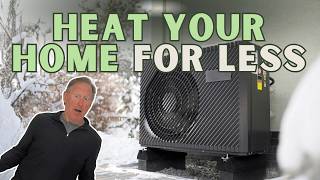
Work out the cheapest order to cut your energy bills, from insulation and heating settings to solar panels and a home battery. It suits UK homeowners planning upgrades on a set budget. You will need a year of bills or smart meter readings and some time to compare quotes.
YouTube video: So Many Ways to Cut Your Energy Bills: What to Buy, and When
Caption availability is unknown. Check the CC control in the YouTube player.
Choose a chapter (13)
- Video length
- 15 min 48 s
- Time to do it
- 1 hour
- Difficulty
- Easy
- Steps
- 10
What you need
Steps
Start by writing down your goal: lower bills, lower carbon, or both. Set a rough budget and time frame, because that decides which upgrades come first.
List the energy you use at home: heating, hot water, car and appliances. Note which run on gas, petrol or electricity, so you know what could move to electricity.
Cut waste before buying hardware. Add loft and cavity insulation, seal draughts around doors and windows, and set your heating programmer to match when rooms are actually used.
If your boiler is old, get quotes for a heat pump and ask what grants apply. Have the installer set a low flow temperature and balance the radiators.
Look at hot water next. Keep a stored cylinder at 60C to stop bacteria, and time it to heat before you need it rather than running all day.
When your car is due for a change, compare an electric model. Charging at home on a cheap overnight tariff usually costs less per mile than petrol or diesel.
Shrink your electricity use with LED bulbs, washing at 30C, and switching appliances off at the plug instead of leaving them on standby.
Ask your supplier about smart tariffs with cheaper off-peak electricity. Then move heavy use like washing, dishwashing and car charging into those hours.
Get at least three quotes for solar panels. Check the array size, the inverter and the payback estimate against your own usage figures.
Add a home battery only after solar or a smart tariff, when you know how much cheap or surplus power you can really store and use.
Tips and common mistakes
Insulation and draught-proofing often pay back faster than solar or a battery, so do them first.
Never touch gas appliances or battery wiring yourself. Use a qualified installer for boilers, heat pumps and storage.
Recalculate any payback figure with your own annual usage instead of trusting the sales leaflet.
Questions
What should I do first if my budget is small?
Insulate, seal draughts and switch to LED bulbs. These cost little and start saving straight away, while solar and batteries can wait.
Is a home battery worth it without solar panels?
Sometimes, if you are on a smart tariff with very cheap overnight power. Otherwise the savings are usually small for the cost.
Will a smart tariff always cut my bill?
Only if you can shift heavy use into the cheap hours. If most of your power goes on at peak times, a flat tariff may suit you better.
The notes are drafted automatically from video details and general task knowledge. How the guide was prepared
Report a correction