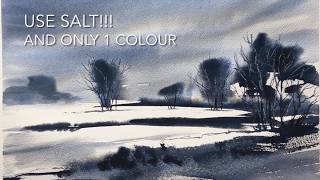
You will make a soft or vibrant watercolour wash on paper and turn it into a handmade card front. It suits beginners who want a quick painted background without drawing skills. You need watercolour paper, water-based ink or paint, a brush and water.
YouTube video: How to Create Watercolour Background for Cards
YouTube’s video details do not confirm captions. Check CC in the player for available tracks.
- Video length
- 3 min 42 s
- Time to do it
- 20 minutes
- Difficulty
- Easy
- Steps
- 7
What you need
Steps
Tape a piece of watercolour paper to a flat board with low-tack tape. This reduces buckling and gives you a clean border to trim later.
Wet the paper with clean water using your brush. Keep it damp and even, with no pools of water sitting on the surface.
Load a damp brush with ink from a palette or acrylic block. Use one colour at a time and keep the brush clean between colours.
Brush the first colour across the paper in loose stripes. Leave some paper damp between strokes so the colour can spread.
Add a second colour while the paper is still damp. Overlap the edges and tilt the board gently to blend the washes.
Lift any puddles with a dry cloth or clean brush. Let the paper dry completely, or dry it with a heat tool on a low setting.
Remove the tape and trim the painted panel to fit your card base. Stamp a greeting or add a punched shape, then glue it to the card.
Tips and common mistakes
Keep the paper damp but not soaked, because too much water makes the colours muddy.
Watercolour dries lighter, so test your colours on scrap paper before painting the final panel.
Limit the wash to two or three colours and clean your brush between shades for clearer blends.
Let each layer dry before adding more colour if you want sharper edges instead of soft blends.
Questions
Can I use ordinary cardstock instead of watercolour paper?
It may buckle and pill when wet. Use watercolour paper or heavy mixed media paper for a smoother result.
How do I stop the colours turning muddy?
Use clean water, avoid overworking the paper, and stick to two or three colours that blend well.
Do I need special inks for this background?
Water-based dye inks or watercolour paints work well because they move with water. Pigment inks may not spread as freely.
The notes are drafted automatically from video details and general task knowledge. How the guide was prepared
Report a correction