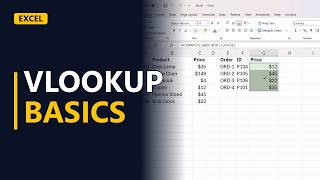
A pivot table lets you summarize a large list of data by dragging fields into rows, columns and values. This guide suits beginners who already have a clean table of data in Excel. You only need Excel and a worksheet with a header row.
YouTube video: How to create a Pivot Table in Excel
Captions are available. Use CC in the YouTube player.
Other videos for this task
- How to create a pivot table in Microsoft Excel 6:22 · 8 written steps
- Video length
- 2 min 15 s
- Time to do it
- 10 minutes
- Difficulty
- Easy
- Steps
- 8
What you need
Steps
Click any cell inside your data range. Make sure the range has a single header row and no blank rows or columns.
Go to the Insert tab on the ribbon and click PivotTable in the Tables group.
Check that the Table/Range box shows your full data range. Choose New Worksheet and click OK.
In the PivotTable Fields pane, drag a field such as a category or name into the Rows area.
Drag a second field, such as a date or region, into the Columns area.
Drag a number field, such as sales or quantity, into the Values area. Excel sums it by default.
Check the result, then drag fields between the areas to change how the data is grouped.
Click any cell in the pivot table and use the Analyze or Options tab to refresh or adjust settings.
Tips and common mistakes
If your data changes, right-click the pivot table and choose Refresh so the numbers update.
Remove blank rows and merged cells from the source data first, or fields may group incorrectly.
Use the drop-down arrows on row or column labels to filter and sort the summarized values.
Questions
Do I need to select the whole data range first?
No. Clicking one cell inside the range is enough, because Excel detects the surrounding table. You can still type an exact range in the Table/Range box.
Why does my pivot table show Count instead of Sum?
Excel counts when the value field contains text or blanks. Right-click a value and choose Summarize Values By, then pick Sum.
Can I change the pivot table after creating it?
Yes. Drag fields in and out of the Rows, Columns, Values and Filters areas at any time. The layout updates right away.
The notes are drafted automatically from video details and general task knowledge. How the guide was prepared
Report a correction