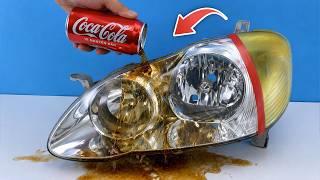
Foggy, yellowed headlights cut down how much you can see at night and make a car look old. You can clear them up at home with toothpaste and a few cheap supplies instead of buying a restoration kit. This suits any beginner and takes about half an hour.
YouTube video: EASY and FREE Way to Clean and Restore Your Headlights
Caption availability is unknown. Check the CC control in the YouTube player.
- Video length
- 5 min 47 s
- Time to do it
- 30 minutes
- Difficulty
- Easy
- Steps
- 8
What you need
Steps
Park in the shade and wash the headlight with water and a cloth to remove dirt and bugs. Dry it fully before you start.
Run masking tape along the edges of the headlight so the paint around it stays protected while you work.
Squeeze a generous blob of plain white toothpaste onto a soft cloth. Avoid gel toothpaste, which does not have the same grit.
Rub the paste into the headlight in small circles, pressing firmly. Work over the whole lens for a few minutes.
Keep the surface damp with a spray of water and add more toothpaste as it dries out. Do not let the paste cake on.
Wipe the paste off with a clean damp cloth and check the lens. Repeat the scrub if it is still cloudy.
Dry the headlight completely, then apply a thin coat of car wax or sealant to protect the clean plastic.
Peel off the masking tape and buff the wax with a dry cloth until the lens is clear.
Tips and common mistakes
Toothpaste only cleans the outer layer, so deep cracks or moisture inside the lens will need a proper kit or a replacement.
Do not use an abrasive scouring pad, which can scratch the plastic beyond repair.
Rewax the headlights every few months, since the clean plastic fogs up again faster without protection.
Questions
Does toothpaste really work on headlights?
Yes, the mild grit in plain white toothpaste gently polishes away the yellowed top layer of plastic. Results vary with how bad the fogging is.
How long does the result last?
Usually a few months before it starts to cloud again. A coat of wax or sealant after cleaning helps it last longer.
Can I use an electric drill or buffer?
You can, but keep the speed low and keep the pad moving so you do not burn or melt the plastic.
The notes are drafted automatically from video details and general task knowledge. How the guide was prepared
Report a correction