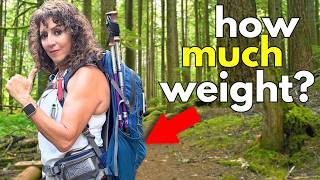
Better Hiking After 50: 10 Items That Actually Make a Difference (The Upgrade You Should Buy), by Senior Vital on YouTube. 11 min 3 s.
- Video length
- 11 min 3 s
- Time to do it
- 1 hour
- Difficulty
- Easy
- Steps
- 10
What you need
Steps
Start with a breathable base layer in a thin synthetic or wool fabric. Skip heavy cotton, which holds sweat and dries slowly.
Add lightweight hiking trousers that stretch and dry fast. Check the waist and knee fit while stepping and squatting.
Pick a thin mid-layer such as a light fleece or grid fleece. It should fit under your rain jacket without bunching.
Choose a genuine waterproof rain jacket with taped seams and a hood. A water-resistant shell is not enough for steady rain.
Wear proper hiking socks in wool or a wool blend. Test them with your boots to check for rubbing at the heel and toes.
Fit hiking shoes or boots with room for your toes to move. Try them on late in the day when feet are slightly swollen.
Add a wide-brim hat for sun and a thin beanie for cold starts. Both should pack flat in your bag.
Choose a daypack of about 20 to 25 litres with a hip belt. Load it and adjust the straps so weight sits on your hips.
Add trekking poles if you have knee or balance concerns. Set them so your elbows are bent about 90 degrees on flat ground.
Carry a compact headlamp with fresh batteries for early starts or late finishes. Keep it in the same pocket every trip.
Tips and common mistakes
Weigh each item before you pack it and leave out anything you did not use on the last two hikes.
Buy shoes in the afternoon and walk on an incline in the shop to check heel slip.
A hip belt that carries weight properly matters more than a fancy pack fabric.
Check the forecast and trail conditions before you leave, and turn back if weather changes.
Questions
Do I need trekking poles?
Not always, but many walkers find them helpful on descents and uneven ground. Try a borrowed pair before buying.
How heavy should a day pack be?
Keep it as light as you can while still carrying water, food, rain gear and a basic first aid kit.
Are expensive brands required?
No. Fit and function matter more than the label. Try several brands and pick what feels right on your feet and back.
This guide was drafted from the video's details and general task knowledge. It has not been checked against the full video. Check the video and relevant product instructions before following a procedure. Report a correction.