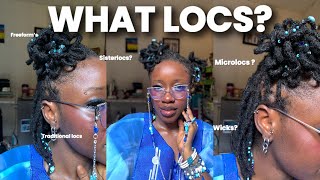
Check the instructions for your exact model before choosing this setting or amount. It suits anyone beginning a loc journey or moving from loose natural hair. Knowing your hair type and how much upkeep you want helps.
YouTube video: How to Start Your Loc Journey: Starter Loc Methods Explained
Caption availability is unknown. Check the CC control in the YouTube player.
Choose a chapter (10)
- Video length
- 10 min 4 s
- Time to do it
- 30 minutes
- Difficulty
- Easy
- Steps
- 9
What you need
Steps
Decide on your loc size before anything else. Microlocs need small, neat sections, while traditional locs use larger parts and take less time to install and maintain.
Compare the methods side by side. Each one changes how the locs form, how often you retwist and how they handle water and washing.
Try interlocking if you want locs that stay put through washing. A tool pulls the hair through the loc in a four-point pattern, so you need little or no gel.
Choose crochet for instant locs. A small hook pulls loose hair into the loc to build the shape right away instead of waiting months for it to form.
Pick comb coils for a neat, rounded start. Part a small square section, coat it with gel, then twirl the hair around a rat-tail comb until it coils.
Go with two-strand twists if you want a simple, low-tool start. Twist two strands around each other and let them lock as they mature and shrink.
Consider freeform locs if you want almost no work. You leave the hair alone, wash it, and just separate the new growth so the locs stay apart.
Use braids as a starter if your hair is soft or slippy. Braid each section, leave it for a few weeks, then take it down and let the braided pattern lock.
Match the method to your hair type, budget and how much time you can give retwists. Ask a loctician before committing to a small size you may not keep up with.
Tips and common mistakes
Keep your parts clean and even at the start, because starter sections set the size and shape of your locs for good.
Do not pull tight to speed things up. Too much tension at the root can thin the loc over time.
Wash gently with a durag or stocking cap over new locs, and press the water out instead of rubbing with a towel.
Wait a few weeks before the first retwist so the locs have time to settle.
Questions
Which starter loc method is best for beginners?
Two-strand twists and comb coils are the easiest to do yourself because they need few tools. Crochet and interlocking take more practice but give a firmer result.
Can I wash my starter locs without them coming apart?
Yes, once the locs have settled. Cover them with a durag or cap, use a gentle shampoo and press the water out. Interlocked locs hold up to washing best.
How long do starter locs take to lock?
It varies with your hair type, but most people see real locking after a few months. Budding and shrinkage are normal signs that the process is working.
The notes are drafted automatically from video details and general task knowledge. How the guide was prepared
Report a correction