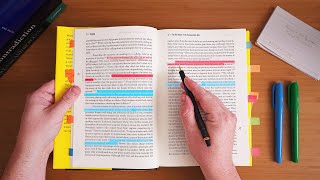
The Best Way to Learn Vocabulary in Any Language, by Steve Kaufmann - lingosteve on YouTube. 14 min 43 s.
- Video length
- 14 min 43 s
- Time to do it
- 20 minutes a day
- Difficulty
- Easy
- Steps
- 8
What you need
Steps
Choose reading material you can mostly understand, where you already know most of the words. Pick topics you actually enjoy so you keep coming back to them.
Read the text while listening to the audio version at the same time. This links the written word to its sound and helps you absorb new words without stopping constantly.
Save unknown words as you read instead of grinding through flashcards. Highlight the word, check the meaning once, and keep reading to the end of the page.
Save whole phrases and chunks, not just single words. Words like "make a decision" stick better as a unit and are ready to use in speech.
Review your saved words inside the original sentence, not as a bare list. Seeing the word in context reminds you how it is used and where it came from.
Expect to forget most new words at first and keep rereading the same texts. Each pass makes more words familiar, so forgetting is part of the process rather than a failure.
Read widely enough to meet 100 or more known words a day. Short sessions on easy material add up faster than one long session on something too hard.
Count the words you already recognise once a week and move to slightly harder texts when the number climbs. This shows progress that word lists hide.
Tips and common mistakes
Do not make flashcards your main method, since words learned in context are easier to recall in conversation.
Read texts you would enjoy in your own language, because interest keeps you reading long enough to learn.
Keep a text you like and reread it after a week to see how many words now feel familiar.
If a page has more than a few unknown words per line, drop it and pick something easier.
Questions
How many new words should I learn a day?
Aim to meet around 100 known or partly known words a day through reading, rather than memorising a fixed list. Meeting words repeatedly in context matters more than the exact count.
Do flashcards help at all?
They can help for reviewing words you have already met in reading. Used alone as your main method, they tend to be slower than reading and listening to real content.
How long until I notice a difference?
Most learners notice easier reading within a few weeks of daily sessions. The change comes from volume and repetition, so consistency matters more than session length.
This guide was drafted from the video's details and general task knowledge. It has not been checked against the full video. Check the video and relevant product instructions before following a procedure. Report a correction.