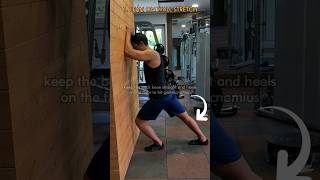
I Replaced My Whole Mobility Routine With These 3 Moves, by Dr. Alyssa Lu on YouTube. 4 min 34 s.
- Video length
- 4 min 34 s
- Time to do it
- 10 minutes
- Difficulty
- Easy
- Steps
- 6
What you need
Steps
Start with the first move, a deep squat or resting squat. Stand with feet about shoulder width apart, lower your hips down and sit as low as you can while keeping your heels down.
Hold the bottom of the squat and gently shift your weight side to side. This opens the hips and ankles. Stay for 30 to 60 seconds and breathe steadily.
Move to the second position, the one your body forgot. Get onto the floor and work through the hip and spine position shown, moving slowly into the range you can control.
Hold that position for 30 to 60 seconds per side. Keep your breathing calm and stop before you feel sharp pain.
Finish with the upper body decompression move. Set up as shown and gently lengthen the spine and shoulders, letting the weight of your body do the work.
Hold the decompression for 30 to 60 seconds, then release slowly. Repeat the whole three-move sequence once if you have time.
Tips and common mistakes
Keep your heels down in the squat. If they lift, widen your stance or hold a door frame for support.
Move slowly and breathe. Mobility work should feel like a gentle stretch, not a strain.
Do the routine daily for a few weeks before judging results. Consistency matters more than long sessions.
Skip any move that causes sharp pain and check with a doctor or physiotherapist if stiffness persists.
Questions
Do I need any equipment?
No. All three moves use only your body weight and the floor. A mat or towel makes it more comfortable.
How often should I do this routine?
Daily works well, especially in the morning when your body feels stiff. Even a few minutes counts.
Can beginners do these moves?
Yes, but work within your range. Use support like a wall or chair if a position feels too hard at first.
This guide was drafted from the video's details and general task knowledge. It has not been checked against the full video. Check the video and relevant product instructions before following a procedure. Report a correction.