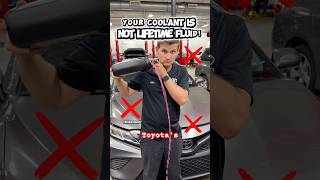
Air trapped in a VQ cooling system can leave you with no cabin heat and a rising temperature gauge. This guide walks you through filling, bleeding and checking the system on a cold engine. It suits anyone doing a coolant change or fixing a heater that blows cold.
YouTube video: How to bleed your coolant in any VQ!
YouTube’s video details do not confirm captions. Check CC in the player for available tracks.
- Video length
- 1 min 30 s
- Time to do it
- 45 minutes
- Difficulty
- Medium
- Steps
- 9
What you need
Steps
Park on level ground and let the engine cool for at least an hour. Never open the radiator cap while the engine is warm, since hot coolant can spray out.
Set the climate controls to full hot and the fan on low. This opens the heater valve so coolant can flow through the heater core.
Open the bleed screw on the VQ, usually near the heater hose or throttle body, and take off the radiator cap.
Pour 50/50 premixed coolant into the radiator slowly until it reaches the neck. Keep the bleeder open until coolant trickles out without bubbles, then close it.
Squeeze the upper radiator hose a few times to push trapped air up toward the cap. Refill as the level drops.
Start the engine with the cap off and let it idle with the heater on hot. Watch the level and top it up as bubbles work their way out.
Wait roughly 10 to 15 minutes for the thermostat to open. The upper hose will get hot and the level will drop again, so keep topping up.
Once bubbles stop and the level holds steady, fit the radiator cap. Shut the engine off and let it cool fully.
Recheck the radiator and the overflow bottle when cold and top both up. Then drive 10 minutes with the heater on and check the level again after it cools.
Tips and common mistakes
Use premixed 50/50 coolant instead of tap water, which leaves mineral deposits in the radiator.
Coolant is toxic and slippery, so catch spills in a tray and keep pets away from puddles.
A no-spill funnel that seals onto the radiator neck makes bleeding much easier.
If the temperature gauge climbs during the process, shut the engine off and let it cool before continuing.
Questions
How do I know all the air is out?
You are done when the coolant level stays steady with no bubbles, the heater blows hot, and the upper hose gets hot while the engine idles. Recheck the level once the engine is fully cold.
Do I have to run the heater during bleeding?
Yes. Setting it to full hot opens the valve to the heater core, which is one of the highest points where air gets trapped.
Can I drive with air still in the system?
Only briefly and carefully. Trapped air can cause hot spots and an overheating engine, so bleed it again if the gauge climbs or the heater stays cold.
The notes are drafted automatically from video details and general task knowledge. How the guide was prepared
Report a correction