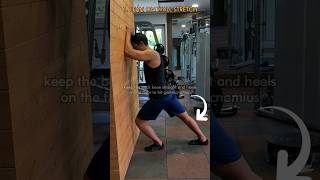
How to Become A Glute Dominant Runner, by Barefoot Strength on YouTube. 15 min 27 s.
- Video length
- 15 min 27 s
- Time to do it
- 20 minutes
- Difficulty
- Medium
- Steps
- 7
What you need
Steps
Test yourself first. Run or march on the spot for 30 seconds and notice whether your feet, calves or thighs feel the work. If your glutes feel nothing, they are not driving the stride.
Spread your toes and press the big toe and ball of the foot into the floor. Squeeze the glute on that side and hold for 5 seconds. Repeat 10 times per side.
Walk barefoot or in toe spacers for 5 minutes a day. Aim to feel the outer edge and ball of the foot load as you push off, not just the heel.
Stand tall, brace your core as if bracing for a light punch, and squeeze both glutes. Hold 10 seconds, rest, and repeat 5 times.
Do 10 slow hip hinges: push your hips back, keep your spine long, then drive your hips forward and squeeze the glutes at the top.
Finish with 10 single leg bridges per side, pressing through the heel and keeping the hips level. Stop if the lower back takes over.
Run for 5 minutes and repeat the test. Cue yourself to push the ground away with the whole foot and feel the glutes at push off.
Tips and common mistakes
Do the drills before a run, not after, so the glutes are switched on when you head out.
Keep the ribs down and the core braced. Arching the lower back shuts the glutes off.
Build up barefoot time slowly. Start with a few minutes and add a little each week.
If knee or hip pain gets sharper, stop and get it checked by a physio.
Questions
How often should I do these drills?
Three or four times a week is a good start. Keep each session short, around 10 to 15 minutes, and stay consistent for a few weeks before judging results.
Do I need toe spacers?
No. They can help you feel the foot muscles, but barefoot drills on a clean floor work too.
Will this fix my knee pain?
Better glute and foot strength often helps running-related knee niggles, but it is not a cure. See a physio for ongoing or sharp pain.
This guide was drafted from the video's details and general task knowledge. It has not been checked against the full video. Check the video and relevant product instructions before following a procedure. Report a correction.